Simple Mandala: A Designer's Review for Craft Fair Success
As an experienced embroidery designer preparing for a busy weekend at the local artisan market, I am constantly evaluating which digital embroidery file will give my booth the most visual impact. Today, I am reviewing the Simple Mandala. This isn't just a theoretical exercise; I am imagining this design stitched onto my best-selling inventory to see if it has what it takes to stop scrolling thumbs and walking feet in their tracks.
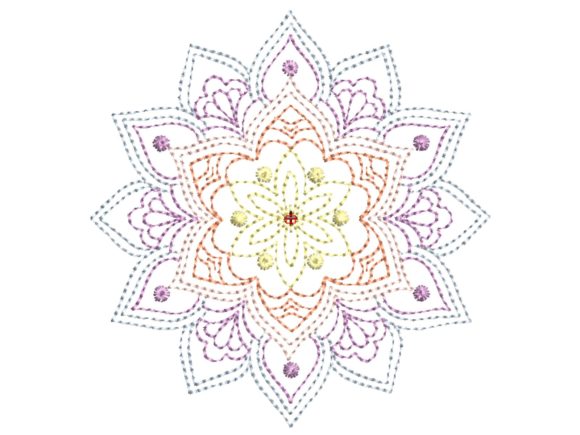
The first impression of the Simple Mandala is one of understated elegance. In a market often saturated with overly complex or novelty-themed graphics, this design offers a refreshing sense of balance. It feels modern yet timeless, leaning heavily into the "boho-chic" and "minimalist farmhouse" aesthetics that are currently dominating the handmade sector. The symmetry inherent in a mandala draws the eye immediately, providing a focal point that feels intentional and premium rather than cluttered.
Visual Impact on Key Craft Fair Products
When setting up a craft fair table, variety is key, but cohesion is king. I envision the Simple Mandala performing exceptionally well across several specific product categories.
- Tote Bags and Market Bags: This is likely the strongest contender for this design. A large hoop placement on a natural canvas tote allows the radial symmetry of the mandala to shine. It transforms a basic bag into a statement piece. Customers love items that look expensive but are affordable, and this tote bag design hits that sweet spot.
- Apron Embroidery: For the culinary crowd, placing this design on the bib of a linen apron creates a beautiful, centered accent. It elevates the apron from a utility item to a decorative kitchen accessory, perfect for the home cook who values aesthetics.
- Tea Towel Embroidery: On waffle weave or flour sack towels, the Simple Mandala works as a sophisticated corner detail or a central motif. However, one must be mindful of the fabric texture; highly textured towels can sometimes obscure fine details, so a slightly larger scale might be necessary here.
- Pillow Covers: Home decor is a huge seller at fairs. A monochromatic thread choice on a colored linen pillow cover featuring this mandala screams "interior designer approved." It adds texture and depth to a living space without overwhelming the room.
For smaller items like embroidered patches or fabric pouches, the design's simplicity is its greatest asset. Complex mandalas often lose definition when scaled down, but a "simple" version suggests clean lines and open spaces that remain legible even at a small size. This makes it an excellent candidate for add-on sales at the checkout counter.
Production Practicality for the Small Shop Owner
Beyond aesthetics, a professional Etsy seller or boutique maker must consider production efficiency. Can this design be batch-produced without causing machine headaches or excessive thread breaks? The title "Simple" suggests a manageable stitch density, which is crucial for speed. High-density designs can cause puckering, especially on lighter fabrics like tea towels or thin cotton totes.
If the Simple Mandala utilizes standard satin or fill stitches with good spacing, it should run smoothly on most home embroidery machines. This repeatability is vital for a craft fair vendor who needs to restock popular items quickly between shows. Furthermore, because the design relies on shape rather than intricate shading, it is likely forgiving regarding thread colors. You could easily swap thread palettes to match seasonal trends—earthy tones for autumn, pastels for spring—without altering the digitizing.
Photography is another critical factor. For online listings, a design with strong geometric lines like a mandala photographs beautifully. It creates natural leading lines in product photos and looks stunning in flat-lay compositions. When creating a printable mockup for your website, this design assets provides a clear, recognizable silhouette that translates well to digital screens, helping to convert browsers into buyers.
Critical Considerations and Careful-Use Notes
While the potential is high, a prudent designer always approaches new files with a critical eye. There are specific scenarios where the Simple Mandala might face challenges:
- Curved Surfaces: If you plan to put this on caps, remember that the curved surface can distort circular designs. A mandala that looks perfect flat might appear oval or warped on a structured cap. Testing on a scrap cap is non-negotiable.
- Dark Fabrics: Depending on the stitch type, a light-colored mandala on dark fabric might require a dense underlay to prevent the fabric from showing through gaps. If the design is too open, it may lack contrast and visibility on black or navy items.
- Scale and Clarity: "Simple" can sometimes mean "lacking detail." If scaled down too far for a small pouch or patch, the defining lines might merge, turning the intricate pattern into a solid blob. Always verify the minimum recommended size.
- Stabilizer Selection: Even simple designs need support. Using the wrong stabilizer on stretchy fabrics (like jersey tees) could cause the mandala to warp after washing. Cut-away stabilizer is usually safer for long-lasting handmade products.
Maximizing Value and Buyer Engagement
Ultimately, the goal of any craft fair product is to engage the buyer. The Simple Mandala excels here because it invites inspection. Unlike a solid block of color, the negative space within a mandala encourages the customer to lean in and look closer. This interaction increases the perceived value of the finished product.
For brand consistency, this design is versatile enough to become a signature element. Imagine using it on your packaging tags, your booth banner, and your product line simultaneously. This repetition builds brand recognition. It signals to the customer that your shop pays attention to detail and quality.
Final Designer Recommendations
Before committing to a full production run for your next market, follow these essential steps:
- Test on Scrap Fabric: Never skip the test stitch-out. Use the exact fabric and stabilizer combination you intend to sell.
- Check Thread Contrast: Ensure your thread choices pop against the base material. High contrast usually sells better in a crowded booth environment.
- Confirm Hoop Size: Verify that the design fits your available hoops without requiring excessive re-hooping, which slows down production.
- Review Licensing: The product description notes this is a digital embroidery file requiring a machine. It explicitly states it is not a physical patch. Before selling finished goods, confirm the commercial licensing terms provided by the designer to ensure you are cleared for commercial embroidery sales.
- Create Real Mockups: Don't rely solely on digital previews. Stitch one real sample to hold in your hand; the tactile quality of the stitches is often the deciding factor for a customer.
In conclusion, the Simple Mandala appears to be a robust, versatile asset for any embroidery business owner. Its blend of aesthetic appeal and probable production ease makes it a strong candidate for a wide range of small shop products. By respecting the limitations of fabric and machine while leveraging the design's natural symmetry, you can turn this digital file into a tangible best-seller at your next craft fair.