Review: Small Fish Tank Applique for Handmade Goods
As an embroidery designer who spends more time at the hoop than away from it, I am always cautious about new digital embroidery file downloads. We have all been there: you buy a cute design, load it up, and realize the stitch density is too high for a towel or the details are too fine for a cap. Recently, I came across the Small Fish Tank Applique on Creative Fabrica and immediately started envisioning how it would translate into real-world products. This isn't just a quick glance; this is an evaluation of whether this specific applique design holds up for commercial use and serious crafting.
First Impressions and Visual Mood
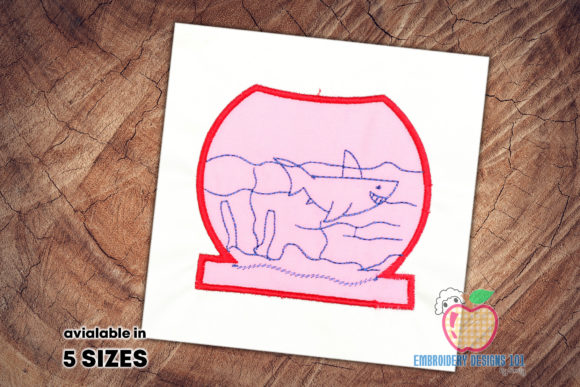
The first thing that strikes me about the Small Fish Tank Applique is its charming simplicity. In the world of Fish themed Embroidery, designs can often become overly complicated with too many tiny scales or excessive underlay. This design, however, seems to strike a balance between decorative appeal and stitch efficiency. The visual mood is playful and aquatic, perfect for bringing a splash of color to neutral items.
Because this is an applique style, the "stitching personality" relies heavily on the fabric choices you make for the tank and the fish, rather than just thread coverage. This offers a unique opportunity for texture. A satin stitch border likely defines the glass of the tank, while fill stitches probably handle the water and bubbles. For a designer, this means the final look is partially in your hands. You can choose a shiny satin for the water to mimic reflection or a matte cotton for a softer, nursery-friendly aesthetic. The separation of steps by color changes, as noted in the product description, suggests a logical workflow that minimizes unnecessary jumps and trims, which is crucial when running multiple units for an Etsy order.
Real-World Application Scenarios
When I evaluate a machine embroidery design, I immediately ask: "Where does this live?" The Small Fish Tank Applique is versatile enough to fit several niches within my shop. Here is how I see it performing in actual projects:
- Custom Apparel: This design is small enough to sit comfortably on the left chest of a denim jacket or the sleeve of a child's sweatshirt. It avoids the bulk that often makes large designs uncomfortable on wearable items.
- Tote Bags and Aprons: For kitchen towels or canvas tote bags, the applique technique adds durability. Unlike pure fill stitching which can crack over time on flexible fabrics, the fabric layers in an applique move with the garment.
- Nursery Decor: This is a natural fit for baby blankets and pillow covers. The theme is gender-neutral and universally loved by parents looking for personalized gift options.
- Embroidered Patches: If stitched on twill with a merrow edge (or a tight satin border), this could easily be cut out and sold as an iron-on patch, expanding your product line without new machinery.
For Etsy sellers and boutique owners, the ability to create a cohesive collection is key. You could offer a matching set: a bib, a burp cloth, and a onesie, all featuring this tank. The consistency helps build brand trust and encourages larger basket sizes.
Technical Considerations for Production
While the design looks promising, practical execution requires attention to detail. Since the product description mentions it comes in multiple formats for various machines, compatibility should be broad. However, before committing to a customer order, there are technical factors to verify.
Hoop Size and Placement: Being a "small" design, it likely fits in a 4x4 hoop, which is excellent for caps and smaller items. However, if you plan to use it on a curved surface like a baseball cap, you must ensure the stitch count isn't too dense. High density on a curved brim can cause puckering. Always run a test on a scrap piece of the actual cap material first.
Fabric and Stabilizer Choices: Applique designs require precise stabilizer selection. For stretchy fabrics like jersey knits used in t-shirts, a cut-away stabilizer is non-negotiable to prevent distortion after washing. For woven towels or aprons, a tear-away might suffice, but given the layered nature of applique, I often prefer the security of a lightweight cut-away to keep the edges crisp. When working on dark fabrics, pay close attention to the thread colors specified in the embroidery file. You may need to manually adjust the underlay or add a white backing fabric behind the applique pieces to prevent the dark garment color from showing through the lighter fish or bubbles.
Stitch Density and Detail: Small details like tiny bubbles or fish eyes can get lost if the stitch density is too low or if the thread quality is poor. Conversely, if the density is too high, the fabric might pucker. The product notes that steps are separated by color changes, which is helpful for managing these transitions. I recommend inspecting the small details closely after your first test stitch. If the running stitch outlines are too sparse, consider slowing down your machine speed for better definition.
Enhancing Product Value and Brand Perception
Using a well-executed design like the Small Fish Tank Applique directly impacts the perceived value of your handmade product. Customers associate clean, crisp applique work with higher quality than sloppy, purely digitized fills. The texture added by the fabric layers makes the item feel substantial and luxurious.
Furthermore, this design aids in product photography. The distinct shapes and potential for colorful fabric contrasts make for eye-catching images on social media and online listings. A bright blue tank against a yellow sweatshirt pops on a screen, driving clicks and engagement. For commercial embroidery businesses, offering such distinct, themed designs helps differentiate your catalog from generic stock imagery.
It also speaks to giftability. A tote bag with this design feels thoughtful and custom, rather than mass-produced. This emotional connection is what allows crafters to charge a premium price point. It transforms a simple bag into a statement piece.
Final Verdict and Best Practices
The Small Fish Tank Applique appears to be a solid addition to any designer's library, particularly for those focusing on baby goods, pet accessories, or casual apparel. Its strength lies in its adaptability and the tactile quality that applique brings to a project.
Before launching this in your shop, adhere to these best practices:
- Test on Scrap Fabric: Never skip this step. Test on the exact fabric weight you intend to sell.
- Check Thread Contrast: Ensure your thread colors pop against both light and dark fabric mockups.
- Verify Licensing: Always review the specific license terms on the Creative Fabrica embroidery product page. While many designs allow commercial use for finished physical goods, rules regarding digital resale or print-on-demand can vary.
- Inspect File Details: Confirm the included formats match your machine and check if the recommended hoop size aligns with your equipment.
In conclusion, if you are looking to expand your inventory with a design that balances whimsical charm with production feasibility, this fish tank motif is worth considering. It offers the creative freedom of fabric selection while providing the structural reliability of a well-planned digitization. With the right stabilizer and fabric pairing, it can become a staple in your lineup of finished products.