Rabbit Face Bluework: A Craft Fair Designer's Review
As an embroidery designer who has spent countless weekends setting up booth displays and managing online shops, I know that the difference between a design that sits on the shelf and one that flies off the table often comes down to immediate visual impact. When I first loaded the Rabbit Face Bluework file onto my machine for a test run, my goal was simple: determine if this digitized asset could carry a full line of craft fair products. In the competitive world of handmade markets, where customers scan tables in seconds, a design needs to communicate its charm instantly. This review breaks down how this specific motif performs across various mediums, from kitchen linens to wearable accessories, helping you decide if it belongs in your next production batch.
First Impressions and Aesthetic Appeal
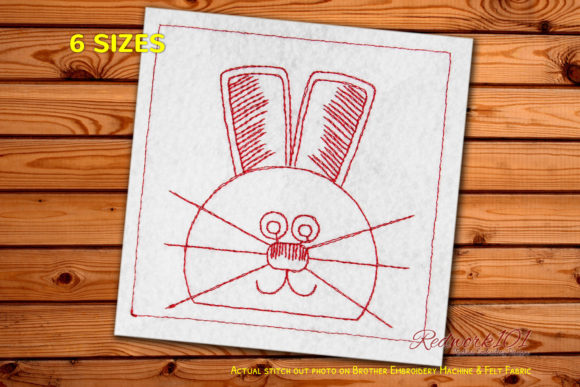
The initial reaction to Rabbit Face Bluework is one of understated elegance mixed with rustic charm. Unlike some overly complex or cartoonish animal motifs, this design leans into a cleaner, more modern aesthetic that fits perfectly within the current "farmhouse chic" and minimalist trends dominating the handmade sector. The use of bluework—a style historically rooted in monochromatic stitching—gives the piece a sophisticated look that feels premium rather than juvenile.
For a Etsy seller or boutique maker, this versatility is gold. It doesn't scream "nursery only"; instead, it feels at home in a modern kitchen or on a stylish tote bag. The simplicity of the face allows it to read clearly from a distance, which is crucial when you are trying to catch the eye of a customer walking past your booth. It strikes a balance between being cute enough for gifts and refined enough for adult consumers looking for high-quality handmade products.
Product Versatility and Market Placement
When planning a table display, variety is key, but cohesion is king. Rabbit Face Bluework shines because it adapts seamlessly to different fabric types and product categories. Here is how it performs across potential best-sellers:
- Tote Bags and Market Bags: This is likely the strongest contender for this design. Placed centrally on a natural canvas tote, the blue stitching pops beautifully against the neutral background. It transforms a basic bag into a statement tote bag design that customers love for grocery runs or library visits.
- Kitchen Linens: For tea towel embroidery and aprons, the design offers a lovely focal point. On a waffle-weave towel, the texture adds depth to the stitches. However, on an apron, placement is critical; centering it on the bib creates a professional look that elevates the garment from utility wear to a giftable item.
- Patches and Pouches: If you are selling embroidered patches, this motif is ideal. Its defined edges make it easy to cut and seal. Similarly, on small fabric pouches or zippered bags, it serves as a perfect logo-style accent that adds perceived value to a small small shop product.
- Pillow Covers and Home Decor: For home goods, the design works well as a singular large element or as part of a repeated pattern. It brings a soft, decorative touch to living spaces without overwhelming the room's decor.
Production Practicality and Batch Efficiency
From a production standpoint, time is money. One of the most appealing aspects of Rabbit Face Bluework is its likely efficiency. While I cannot confirm the exact stitch count without seeing the specific file data, the visual simplicity suggests a design that runs relatively quickly. This makes it an excellent candidate for batch production, allowing you to hoop multiple items or run back-to-back cycles while managing other booth prep tasks.
The design appears to function well as both a small accent and a larger focal piece. For online listings, this adaptability means you can create diverse printable mockups showing the design on everything from a tiny coin purse to a large wall hanging, maximizing your marketing assets without needing new designs. For the commercial embroidery professional, the repeatability factor is high; once you dial in the tension and stabilizer for one item, the consistency across a run of fifty tote bags should be manageable.
Critical Considerations for Execution
Despite its strengths, there are technical nuances to consider before committing to a large production run. Every machine embroidery design has its quirks, and understanding them prevents wasted materials and frustrated customers.
- Fabric Texture and Density: Bluework relies on the contrast of thread against fabric. On thick, textured towels, ensure the stitch density is high enough to cover the weave completely. If the design is too sparse, the underlying fabric texture might show through, making the image look muddy.
- Curved Surfaces: If applying this to caps, be mindful of the curved surface. Designs that work flat can distort on a structured hat. You may need to adjust the pull compensation or choose a smaller hoop size to maintain clarity.
- Dark Fabrics: The description notes that color choices are flexible. If stitching on dark navy or black fabric, standard blue thread may get lost. You might need to use a lighter shade of blue or add a subtle underlay to ensure the rabbit face stands out sharply.
- Small Details: Check the eyes and nose of the rabbit. Tiny details can sometimes merge or break if the thread tension is too tight or if the fabric shifts. Always inspect these areas closely in your test run.
Maximizing Visual Appeal and Sales Potential
The ultimate test of any design is how it influences buyer behavior. Rabbit Face Bluework has a strong potential to enhance brand consistency. Because it is clean and recognizable, it can serve as a signature motif for your brand, appearing on hang tags, packaging, and social media graphics alongside your physical goods.
In a booth setting, this design helps create a cohesive "story." Imagine a display featuring a matching set: a tea towel, an apron, and a tote bag, all featuring the same rabbit face. This cross-merchandising technique encourages customers to buy multiple items, increasing your average transaction value. The design feels thoughtful and curated, which justifies a higher price point compared to generic, mass-produced items.
Designer Notes for Success
Before listing this as a finished product or a digital download, adhere to these professional guidelines:
- Test on Scrap Fabric: Never skip the test stitch-out. Use the exact fabric you intend to sell to check for puckering or registration issues.
- Check Thread Contrast: Experiment with different shades of blue. A midnight blue offers a classic look, while a sky blue feels more playful. Ensure the contrast works on your chosen material.
- Review Spacing and Hoop Size: Confirm that the design fits comfortably within your intended hoop without crowding the edges, especially for smaller items like patches.
- Select the Right Stabilizer: The choice between cut-away and tear-away stabilizer depends on the fabric stretch. For woven tote bags, tear-away is usually sufficient, but knits may require cut-away for longevity.
- Create Real Mockups: Digital renderings are great, but photographing the actual stitched item on a real person or in a styled setting converts better on Etsy and social media.
- Verify Licensing: Crucially, review the license terms associated with the digital embroidery file. Ensure you have the rights to sell finished physical goods if that is your business model, as some designers restrict commercial use.
In conclusion, Rabbit Face Bluework represents a solid investment for the serious maker. Its blend of timeless style and practical application makes it a versatile tool for expanding your product line. Whether you are filling orders for a holiday market or refreshing your online inventory, this design offers the clarity and charm needed to stand out in the crowded handmade marketplace. With careful attention to fabric choice and stitch execution, it can become a staple in your collection of best-selling Sewing and Embroidery creations.