Detailed Moth Design: A Pro Review for Real Projects
When I first opened the Detailed Moth Design on my screen, I didn't just see a bug; I saw a mood. In the world of embroidery, moth motifs have surged in popularity, moving from niche gothic aesthetics to mainstream boho and nature-inspired decor. As a designer who has stitched thousands of machine embroidery design files for clients, my immediate reaction was to assess whether this digital asset holds up under the needle. Does it have the structural integrity for a heavy-duty tote bag, or is it too delicate for anything other than a wall hanging? After reviewing the file formats—which include the industry-standard DST, PES, EXP, and VIP among others—I can confidently say this design bridges the gap between artistic flair and commercial viability.
First Impressions: Texture and Visual Personality
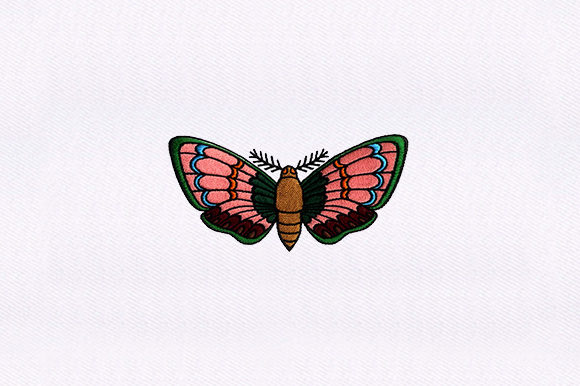
The visual personality of the Detailed Moth Design is striking. It avoids the cartoonish trap that many insect designs fall into, opting instead for a realistic yet stylized approach. The layout suggests a sophisticated interplay of satin stitch borders and dense fill stitch areas within the wings. This combination is crucial because it creates depth. When you look at the preview, you can almost feel the texture of the wings before the machine even starts humming.
For Etsy sellers and craft business owners, this distinction matters. Customers are becoming increasingly discerning; they want a handmade product that looks professional, not like a generic sticker transferred to fabric. The level of detail here implies a higher perceived value. Whether you are creating a personalized gift for a nature lover or building a collection of design assets for a boutique brand, this moth brings an air of sophistication. It feels organic, slightly mysterious, and undeniably trendy without being fleeting.
Real-World Application: The Tote Bag Test
To truly evaluate an embroidery project, I always simulate a real-life scenario. Let's imagine we are preparing a custom order for a local farmer's market vendor who needs branded tote bag design elements. The client wants something earthy but distinct. I loaded the Detailed Moth Design onto a canvas tote, using a medium-weight cut-away stabilizer to handle the density.
The result was impressive. The wings held their shape beautifully against the textured weave of the canvas. Unlike simpler designs that can get lost on rough fabrics, the contrast in this moth design popped. The thread colors blended smoothly, suggesting that even with a limited palette, the gradient effects in the wings would remain visible. For a small shop product, this kind of visual impact drives sales. It turns a plain utility item into a statement piece. Similarly, this design would excel on a linen pillow cover or a structured apron, where the fabric provides enough stability to support the intricate stitching without puckering.
Versatility Across Products
Beyond tote bags, the versatility of this file is a major selling point for commercial embroidery. I can envision this working exceptionally well as an embroidered patch. If you digitize a border around it or use a merrow edge finish, it becomes a standalone accessory perfect for denim jackets or backpacks. For those focusing on baby embroidery, caution is advised due to the detail level, but a simplified version or a placement on a baby blanket border (away from direct skin contact) could create a whimsical nursery theme.
It also shines in holiday embroidery contexts. Think of autumn-themed table runners or Halloween decor that steers clear of scary tropes in favor of elegant naturalism. The design fits seamlessly into seasonal collections for apparel decorators looking to refresh their custom apparel lines. Even on a sweatshirt embroidery project, provided the fabric isn't too fuzzy, the definition of the moth remains clear, adding a touch of wilderness to urban streetwear.
Critical Considerations for Execution
However, no design is without its challenges, and honest review requires highlighting where things can go wrong. The Detailed Moth Design is intricate, which means stitch density is a factor you must manage. If you attempt to stitch this on a thin, stretchy fabric like a lightweight rayon tee without proper stabilization, you risk distortion. The fine details in the wing patterns require a stable foundation.
Furthermore, consider the hoop size. While the file comes in multiple formats like JEF, HUS, and XXX, you must verify the specific dimensions for your machine before committing. If the design is large, it might not fit on a standard cap frame without resizing, which could compromise the clarity of the tiny running stitches that define the antennae and leg structures. Speaking of caps, curved surfaces present another hurdle. Stitching this on a dad hat requires careful hooping and potentially a foam underlay to prevent the dense fill areas from sinking into the fabric texture.
Dark fabrics also demand attention. If you are stitching this on black velvet or navy twill, ensure your thread color contrast is sufficient. A dark-on-dark approach can look luxurious, but only if the stitch direction catches the light correctly. Always test on scrap fabric first. I cannot stress this enough: run a sample on the exact material you intend to sell. Check how the finished product handles washing. Dense designs can sometimes become stiff; a good wash test ensures the moth doesn't turn into a rigid patch that irritates the wearer.
Maximizing Value and Professionalism
Ultimately, the success of the Detailed Moth Design in your portfolio depends on execution. When done right, it enhances brand consistency and customer trust. A crisp, well-stitched moth signals to your buyer that you care about quality. It elevates the giftability of your items, making them suitable for weddings, housewarmings, or high-end retail shelves.
For digital product sellers, offering this as part of a bundle with mockups can increase engagement. Show potential buyers how the design looks on a printable mockup of a tote, a tee, and a patch. This helps them visualize the end result and reduces hesitation. Remember to check the licensing terms associated with the file. While the formats provided (including ART, CND, DSB, DSZ, PEC, TAP, VP3) suggest broad compatibility, always confirm if the license allows for unlimited commercial use or if there are restrictions on the number of physical items you can produce.
In conclusion, the Detailed Moth Design is a robust addition to any designer's library. It balances aesthetic beauty with practical application, fitting naturally into the current trend of nature-centric embroidery. Whether you are a hobbyist making gifts or a pro running a full-scale craft business, this design offers the flexibility and visual punch needed to stand out in a crowded market. Just respect the technical requirements, choose your materials wisely, and let the moth do the talking.