Pink Florals Quilting Design: A Pro Review for Branding
As an embroidery designer who has spent years digitizing logos and refining assets for small business merchandise, I approach every new machine embroidery design with a critical eye. It is not just about whether a pattern looks pretty on a screen; it is about how that digital embroidery file translates into a tangible asset that builds brand identity. Today, I am reviewing the Pink Florals Quilting Design, evaluating its potential for branded patches, uniform accents, and handmade product lines. While this asset is categorized under Bedroom and Embroidery, my focus here is strictly on its commercial viability for cafes, boutiques, florists, and creative studios looking to elevate their physical presence.
First Impressions: Visual Personality and Market Fit
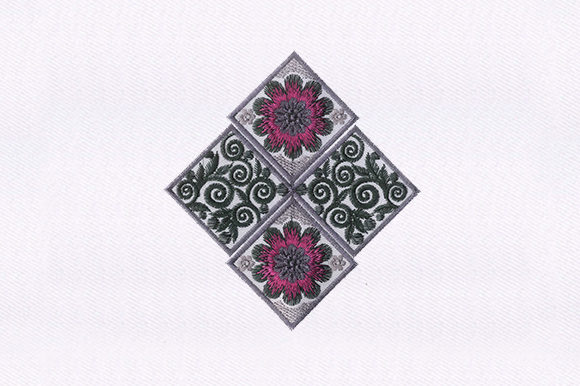
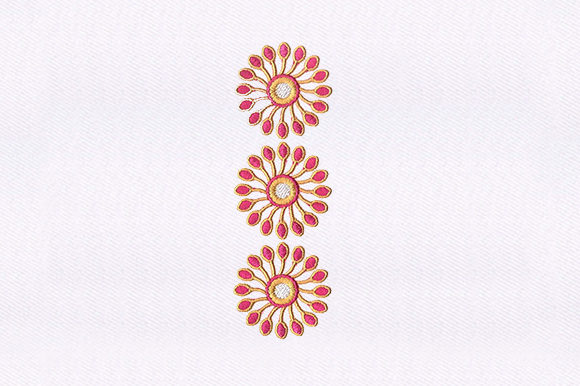
Upon loading the Pink Florals Quilting Design into my simulation software, the immediate impression is one of softness and approachability. The aesthetic leans heavily towards "handmade" and "rustic elegance," making it an ideal candidate for businesses that want to project warmth rather than corporate rigidity. For a local bakery, a floral boutique, or a pet brand, this design offers a friendly visual language that resonates with customers seeking authentic, artisanal experiences.
The color palette, dominated by pinks, suggests a playful yet feminine energy. However, in a professional context, we must look beyond the default thread colors. Does this design hold up if we need to match specific Pantone codes for a client's brand identity? The flow of the florals suggests good movement, which is crucial for avoiding a stiff, stamped look on fabric. For small business merch, this kind of organic flow often performs better than rigid geometric logos, as it feels less like an advertisement and more like a decorative element that adds value to the finished product.
Real-World Application in Commercial Embroidery
The true test of any embroidery file is its versatility across different substrates. Here is how I see the Pink Florals Quilting Design performing in real business scenarios:
- Embroidered Patches: This is perhaps the strongest use case. A merrow-edge patch featuring these florals could serve as a beautiful accent on denim jackets, tote bags, or even packaging. It allows a brand to add a premium touch without embroidering directly onto difficult materials.
- Staff Uniforms and Aprons: For a florist or a cafe owner, apron embroidery is a key branding opportunity. Placing this design on the bib of an apron or the chest pocket of a work shirt adds a layer of professionalism. It signals attention to detail to the customer.
- Cap Embroidery: While possible, this requires caution. The curved surface of a cap front can distort wide floral spreads. If used here, it should be scaled down significantly to act as a side logo or a subtle front accent rather than a full-center piece.
- Tote Bag Design: Canvas totes are a staple for Etsy sellers and market vendors. This design works exceptionally well as a corner motif or a central feature on a light-colored tote, enhancing the perception of the bag as a handmade product rather than a generic giveaway.
- Product Packaging Accents: Beyond apparel, consider stitching this onto fabric tags attached to product packaging or wrapping. It creates a cohesive unboxing experience that reinforces the brand's aesthetic.
Critical Considerations for Production Quality
While the design is visually appealing, there are technical areas where a professional must exercise caution to ensure the commercial embroidery project succeeds. Ignoring these factors can lead to wasted thread, ruined garments, and unhappy clients.
- Stitch Density and Texture: Floral designs often rely on satin stitches or dense fill patterns to achieve a lush look. On textured fabrics like terry cloth towels or heavy canvas, high stitch density can cause puckering. It is vital to check the pull compensation settings before running a production batch.
- Small Scale Legibility: If you intend to use this as a tiny label or a small patch (under 2 inches), the fine details of the petals may merge together. Always test the design at its smallest intended size to ensure the thread colors do not bleed into one another visually.
- Dark Uniforms: The default pink palette will vanish on black or navy uniforms. You must be prepared to edit the embroidery file to include lighter thread colors or a backing underlay to ensure contrast and visibility on dark garments.
- Curved Surfaces: As mentioned with caps, applying a quilting-style design to highly curved surfaces requires careful hooping and potentially a different digitizing approach to prevent distortion during the stitch-out.
Impact on Brand Identity and Customer Trust
In the current market, customers are increasingly drawn to brands that feel personal and curated. Using a distinct design like Pink Florals Quilting Design helps differentiate your custom apparel from the sea of generic screen-printed logos. When a customer sees high-quality embroidery on a tote bag or an apron, it subconsciously signals that the business cares about quality. This builds trust.
Furthermore, consistency is key. If this floral motif is used across your social media printable mockup images, your physical store signage, and your staff uniforms, it creates a strong visual memory for the buyer. It transforms a simple transaction into an engagement with a lifestyle brand. For handmade brands, this level of detail justifies a higher price point, as the perceived value of the finished product increases significantly with the addition of professional embroidery.
Practical Designer Notes for Implementation
Before you commit to purchasing or producing this design for a client, I recommend following this checklist to ensure professional results:
- Test in Black and White: Convert the design to grayscale in your software to check the contrast and definition without relying on color. This reveals if the shapes stand on their own.
- Verify Hoop Size: Confirm that the design fits within your available hoop size limits, especially if you are working with smaller items like hat brims or narrow pockets.
- Stabilizer Selection: Given the likely density of a quilting design, choose the correct stabilizer. Cut-away stabilizer is often safer for items that will undergo frequent washing, such as staff uniforms.
- Fabric Testing: Never run a full batch without testing on the actual fabric you intend to use. Fabric texture dramatically affects how the stitches lay.
- Client Mockups: Create a realistic printable mockup showing the design on the specific garment for client approval before stitching begins.
- License Verification: The product description lists numerous formats (10O, ART, CND, DSB, DST, DSZ, EXP, HUS, JEF, PCS, PEC, PES, TAP, VIP, VP3, XXX). Ensure you have the appropriate commercial licensing rights before using this for small business merch intended for resale.
In conclusion, the Pink Florals Quilting Design holds significant promise for businesses aiming to project a warm, artisanal image. With careful attention to technical details like density, scaling, and fabric choice, it can become a cornerstone of a successful brand identity strategy. Whether used for a boutique's signature tote or a cafe's staff aprons, this design has the potential to turn standard merchandise into cherished brand assets.