Ladybug with the Lines on Back Applique: A Designer's Review
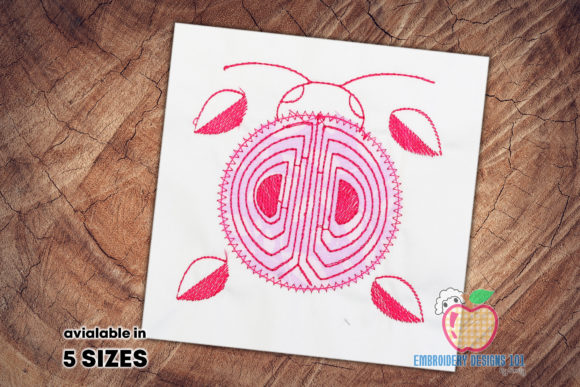
When I first pulled up the Ladybug with the Lines on Back Applique design file on my screen, my immediate reaction was one of appreciation for its clean, graphic potential. As someone who spends hours digitizing and stitching out designs for clients, I look for files that balance visual charm with technical stability. This particular piece falls squarely into the Bugs category, but it feels less like a scientific illustration and more like a whimsical accent perfect for modern handmade goods. The concept of "lines on back" suggests a playful perspective, as if the ladybug is crawling away or hiding, which adds a layer of narrative to what could otherwise be a standard insect motif.
First Impressions and Visual Personality
The layout of this machine embroidery design is deceptively simple, which is often where the true skill lies. In the world of Embroidery, complicated does not always mean better. Here, the focus is on the silhouette and the texture created by the stitch types. The design likely utilizes a combination of satin stitch for the defining edges and a fill stitch for the body, creating a solid, vibrant pop of color against the fabric. The "applique" aspect mentioned in the title is crucial; it implies that this design is intended to be layered, potentially using a separate piece of fabric for the ladybug's body before stitching the details on top. This technique adds depth and a tactile quality that flat stitching simply cannot achieve.
Visually, the mood is cheerful and innocent. It evokes feelings of spring gardens, childhood nostalgia, and nature-inspired aesthetics. For a designer, this means the Ladybug with the Lines on Back Applique is versatile. It doesn't scream "nursery only," although it fits there perfectly. Instead, its graphic nature allows it to sit comfortably on a trendy tote bag or a casual sweatshirt without looking out of place. The separation of steps by color changes, as noted in the product description, indicates a logical flow for the machine, reducing the likelihood of thread breaks or messy jump stitches during the run.
Real-World Application: The Custom Tote Scenario
To truly evaluate this embroidery file, I imagined a specific real-life scenario: a custom order for a local farmer's market vendor who needed branded tote bag design options. She wanted something eco-friendly and cute but durable enough for heavy use. I envisioned placing the Ladybug with the Lines on Back Applique on the corner of a natural canvas tote.
In this context, the applique method shines. By using a sturdy red cotton fabric for the ladybug base and securing it with a tight satin border, the design becomes part of the bag's structure rather than just sitting on top. The "lines on back" detail provides just enough intricacy to catch the eye without creating a dense block of stitching that might make the canvas stiff or uncomfortable to hold. If I were producing these for an Etsy seller or a small shop product line, I would lean into the handmade aesthetic. The slight texture variance between the base fabric and the embroidery threads adds value, signaling to the customer that this is a handmade product crafted with care, not a mass-printed item.
Beyond totes, this design translates beautifully to sweatshirt embroidery. On a heather grey fleece, the red of the ladybug would stand out vividly. The curved lines of the bug's back complement the soft drape of the fabric. For baby embroidery projects, such as a bib or a onesie, the rounded shapes are safe and soft, lacking sharp points that could irritate sensitive skin. However, when considering holiday embroidery or seasonal gifts, one must think about color choices. While traditional red and black work year-round, swapping to pastel pinks or greens could tailor this custom apparel piece specifically for Easter or spring collections.
Technical Considerations and Fabric Challenges
While the design is promising, a professional review must address the potential pitfalls. Applique designs require precision. If you are working with stretchy fabric like jersey knit for a t-shirt, the stability of the applique patch is paramount. Without the correct stabilizer, the fabric underneath the ladybug might pucker, distorting the "lines on back" and ruining the smooth curve of the shell. I always advise testing the design on scrap fabric first, especially if the final material has a distinct fabric texture like corduroy or waffle weave, which can interfere with the clarity of small details.
Another critical factor is the hoop size. Although the exact dimensions aren't listed in the basic description, designers must verify that their machine's hoop can accommodate the full spread of the applique plus the necessary margin for the stabilizer. Trying to force a design into a too-small hoop is a recipe for disaster. Furthermore, when stitching on dark fabric, the contrast of the thread colors becomes vital. The product description mentions steps separated by color changes, which gives the operator control. Ensuring the outline thread contrasts sufficiently with both the applique fabric and the garment background is essential for the design to "pop."
Curved surfaces present another challenge. If you plan to use this on a cap or a structured hat, the placement of the ladybug needs to be carefully calculated. The "lines on back" might get lost if placed too close to the seam or if the curvature compresses the stitch density. In these cases, a simpler version or a smaller scale might be necessary. Similarly, for items that require frequent washing, like kitchen towels or aprons, the density of the satin stitch borders must be tight enough to prevent fraying over time. A loose edge on an applique design is the first thing to wear out.
Enhancing Brand Value and Customer Trust
From a business perspective, the choice of design assets directly influences brand consistency and customer trust. Using a high-quality, well-digitized file like Ladybug with the Lines on Back Applique signals professionalism. When a customer receives a personalized gift or a boutique item where the stitching is crisp, the colors are vibrant, and the applique lies flat, they perceive higher value. This leads to better reviews and repeat business for craft business owners.
The visual appeal of this design also aids in marketing. For digital embroidery file sellers or those creating printable mockup images for online listings, the clear shapes and recognizable subject matter photograph well. It is instantly readable even in thumbnail sizes on mobile devices, which is crucial for Etsy listings and social media promotion. The "finished product" looks intentional and polished, avoiding the amateurish look that sometimes plagues home-embroidered goods.
Final Designer Notes and Recommendations
Before committing to a full production run or selling this as a commercial embroidery asset, there are several practical steps to take. First, check the thread colors suggested in the file against your actual inventory; sometimes digital previews differ from physical spools. Second, review the stitch density settings. If the fill is too dense, it may cause the fabric to bunch; if too light, the backing might show through. Third, confirm the licensing terms. The description states it comes with multiple formats for various machines, but always verify if the license permits unlimited sales of finished physical goods or if there are restrictions on reselling the digital file itself.
Additionally, consider how the design looks in different lighting. Test it in black and white mockups to ensure the contrast holds up even without color reliance. Finally, remember that while this is a charming Bugs themed design, its application is limited only by your creativity. Whether it ends up on a pillow cover, a denim jacket, or as part of a larger nature-themed collection, the Ladybug with the Lines on Back Applique offers a solid foundation for creative expression. Just ensure you respect the technical requirements of applique work—proper cutting, secure adhesion, and precise stitching—to let this little creature shine in your next embroidery project.