Snowcat Truck Embroidery Design Review for Business Merch
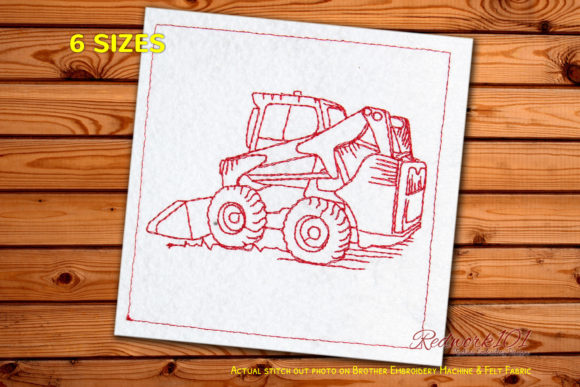
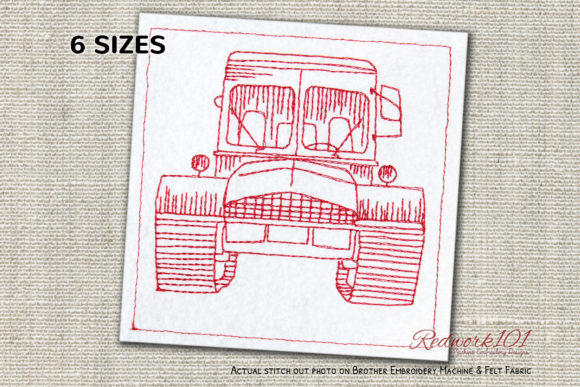
As an embroidery designer who has spent years digitizing and reviewing files for commercial use, I approach every new machine embroidery design with a critical eye. It is not just about whether the image looks cute on a screen; it is about how that digital embroidery file translates into a tangible asset for a small business. Today, I am reviewing the Snowcat Truck design, a piece categorized under Transportation that holds significant potential for branded merchandise, patches, and uniform accents.
My first impression of the Snowcat Truck is that it strikes a balance between rugged utility and approachable charm. For businesses in the outdoor, logistics, or artisanal sectors, this design feels authentic. It does not scream "corporate sterile"; instead, it offers a handmade, rustic aesthetic that resonates well with modern consumers who value craftsmanship. The visual personality is bold enough to be recognized from a distance but detailed enough to suggest quality when viewed up close. This duality makes it an excellent candidate for enhancing brand identity across various touchpoints.
Real-World Applications for Small Business Merch
When evaluating a design for small business merch, versatility is key. The Snowcat Truck shines in several specific applications where durability and visual impact are paramount. Imagine a local coffee roaster or a boutique bakery looking to elevate their staff uniforms. Applying this design as an apron embroidery accent on the chest pocket adds a layer of professionalism and thematic consistency without overwhelming the garment. It tells a story of delivery, care, and movement, which aligns perfectly with businesses that pride themselves on service.
For retail shops and creative studios, the potential for embroidered patch production is high. Patches are a trending element in custom apparel, allowing customers to personalize jackets, backpacks, or tote bags. The Snowcat Truck works exceptionally well here because vehicle motifs generally have strong outlines that hold up well under the stress of being sewn onto thick materials like denim or canvas. If you are an Etsy seller or a craft business owner, offering this as a pre-made patch or a custom add-on can significantly increase your average order value.
Furthermore, consider the use of this design on headwear. Cap embroidery requires designs that can handle curved surfaces without distortion. Assuming the digitizing accounts for pull compensation, the truck motif is compact enough for a standard front panel placement. It serves as a subtle yet effective logo mark for field teams or delivery drivers. Similarly, using it as a sleeve detail on work shirts or as a central graphic on a heavy-duty tote bag design can transform a generic item into a branded product that customers actually want to carry.
Critical Considerations for Production Quality
While the artistic merit of the Snowcat Truck is clear, a professional reviewer must also address the technical challenges of commercial embroidery. Not every fabric behaves the same way, and not every stitch count is suitable for every application. One major area to watch is stitch density. If the design features large fill areas representing the body of the truck or the snow, high density can lead to stiffness or fabric puckering, especially on lighter materials like polo shirts. It is crucial to test the file on the actual fabric intended for the finished product.
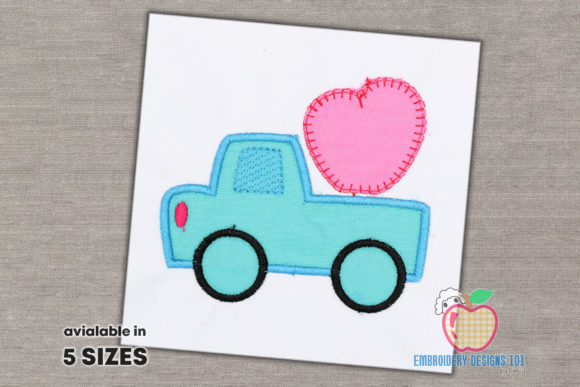
The product description notes that "The Box Stitch shown in picture is optional" and mentions that outer box colors vary. This is a vital detail for maintaining visual consistency. If you are creating a suite of design assets for a client, you must decide early on whether to include this border. In many cases, skipping the outer box allows the truck to integrate more seamlessly into the garment color, creating a cleaner look. However, if the design is intended for a patch with a merrowed edge, the box might provide a necessary boundary for the stitching.
Small details often make or break a design when scaled down. If you plan to use the Snowcat Truck for tiny labels or small chest logos, inspect the lettering (if any) and fine outlines. Tiny elements can get lost or merge together if the thread colors do not have sufficient contrast or if the stitch length is too short. Dark uniforms present another challenge; ensure that the thread palette selected provides enough pop against navy, black, or charcoal backgrounds. A design that looks vibrant on white may disappear on dark fabric without proper underlay or color adjustment.
Enhancing Brand Trust and Customer Engagement
Beyond the technical specs, the choice of imagery directly influences customer perception. Using a well-executed Snowcat Truck motif signals that a brand pays attention to details. In the world of handmade product sales, the perceived value of an item increases significantly when it features high-quality embroidery rather than a cheap heat transfer. Customers associate the texture and dimension of thread with longevity and premium quality. This psychological boost can enhance buyer engagement and foster trust in the brand's commitment to excellence.
Consistency is the cornerstone of strong brand identity. If a business uses the Snowcat Truck on their delivery vehicles, repeating this image on employee uniforms and packaging creates a cohesive narrative. It reinforces recognition every time a customer interacts with the brand. Whether it is a florist delivering arrangements or a pet brand shipping treats, the vehicle motif subtly communicates reliability and reach. This visual consistency helps the business stand out in a crowded marketplace, turning everyday items into powerful marketing tools.
Practical Designer Notes and Pre-Production Checklist
Before committing to a full production run of Snowcat Truck merchandise, I recommend following a strict pre-production checklist to avoid costly mistakes. First, always test the design in black and white or a monochromatic scheme. This reveals the true structure of the stitching and highlights any issues with spacing or definition that color might hide. Second, verify the required hoop size. While the design seems compact, ensure your machine setup accommodates the dimensions, especially if you are adding text or borders.
- Fabric Testing: Run a sample on the exact fabric weight and texture you plan to use. Fabric texture can drastically alter how stitches sit; a loopback fleece will behave differently than a tight-woven twill.
- Stabilizer Selection: Choose the right stabilizer for the application. Cut-away stabilizer is often best for items that will undergo frequent washing, ensuring the design does not distort over time.
- Mockup Creation: Generate a printable mockup for client approval. Visualizing the Snowcat Truck on a virtual garment helps stakeholders approve the placement and colorway before a single thread is stitched.
- Licensing Verification: Since this is for commercial use, confirm the licensing terms of the embroidery file. Ensure you have the rights to sell finished goods or patches featuring this design.
- Color Customization: Remember the note about the optional box stitch. Be prepared to edit the file to remove or recolor the outer box to match specific brand guidelines.
In conclusion, the Snowcat Truck is a versatile and robust choice for businesses looking to expand their embroidered offerings. Its appeal lies in its ability to bridge the gap between functional transportation imagery and stylish Embroidery art. By paying attention to technical details like density, stabilization, and color contrast, designers can leverage this asset to create high-value products that strengthen brand presence and delight customers. Whether used for a simple cap logo or a complex patch collection, this design has the potential to become a staple in a small business's merchandise lineup.