Skid-steer Loader: A Bold Choice for Craft Fair Sales
As I spread out my samples on the folding table ahead of this weekend's craft fair, my eyes keep drifting back to the Skid-steer Loader design. In the world of handmade markets, transportation-themed items often carve out a specific, loyal niche. Whether it is for the contractor who needs a rugged apron or the parent looking for a cute outfit for their toddler obsessed with construction vehicles, this category has serious potential. However, not every digital embroidery file translates well from a screen to a physical product. Today, I am reviewing this specific machine embroidery design through the lens of a seasoned creator, evaluating its viability for tote bags, patches, caps, and other high-traffic booth items.
First Impressions and Visual Impact
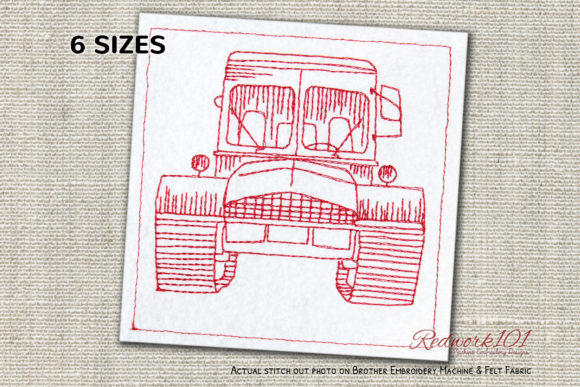
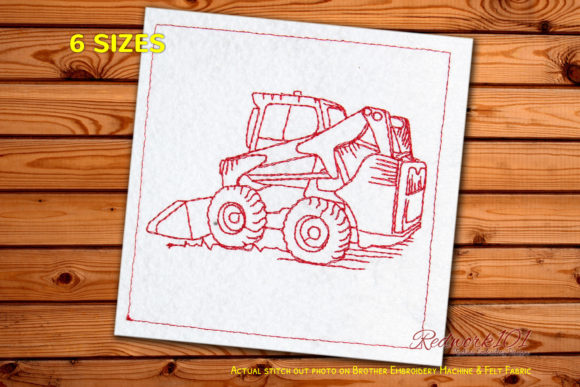
The first thing that strikes me about the Skid-steer Loader is its inherent boldness. Unlike delicate floral patterns or whimsical script fonts, this design screams utility and strength. It feels rustic, industrial, and undeniably modern in a "workwear chic" sort of way. The description notes that the box stitch shown in promotional pictures is optional, which is a crucial detail for us as producers. This flexibility allows us to adapt the aesthetic. If we include the box, it frames the loader nicely, giving it a badge-like quality perfect for an embroidered patch or a pocket accent. If we skip the outer box color, the design becomes more integrated into the fabric, ideal for all-over prints on tea towels or large tote bag panels.
For an Etsy seller or a boutique maker, visual appeal is everything. This design grabs attention because it is recognizable instantly. At a busy craft fair, customers scan tables in seconds. A clear, well-defined image of heavy machinery stands out against the sea of soft pastels and generic quotes. It signals that your small shop product caters to specific interests, which often commands a higher perceived value.
Product Suitability and Application
When deciding where to place the Skid-steer Loader, we need to consider the target demographic. Here is how I see it performing across different handmade products:
- Tote Bags and Market Bags: This is likely the strongest contender. A canvas tote featuring this design appeals to tradespeople, landscapers, and DIY enthusiasts. The sturdy nature of canvas complements the industrial subject matter. As a tote bag design, it works best as a large focal point on the front panel.
- Aprons and Workwear: For commercial embroidery applications, this is a goldmine. An apron embroidery featuring a skid-steer loader transforms a standard kitchen or workshop garment into a personalized uniform. It adds a touch of personality to professional gear.
- Tea Towels and Kitchen Linens: While slightly less obvious, there is a market for "garage kitchen" themes or gifts for husbands and fathers. Tea towel embroidery requires careful attention to stitch density to ensure the towel remains absorbent and doesn't become too stiff.
- Caps and Hats: Placing this on a curved cap surface can be tricky. If the design has fine details, they might get lost on the structured front of a baseball cap. However, if the file is optimized for hats, it makes for an excellent work site accessory.
- Embroidered Patches: Creating a standalone patch allows for maximum versatility. Customers can buy the patch to iron or sew onto jackets, backpacks, or tool bags later. This increases the utility of the finished product.
Production Realities and Technical Considerations
Before running a batch of these for your booth, we must talk about the technical execution. The product description mentions that the color of the outer box varies or can be skipped. This implies that thread colors are a variable we need to manage carefully. When working with transportation themes, contrast is key. You want the loader to pop against the fabric texture. If you are using dark fabric, ensure your thread colors are bright enough to maintain clarity. Conversely, on light fabrics, darker threads will provide that necessary definition.
One major concern with any vehicle design is stitch density. Heavy machinery designs often rely on satin stitches to create smooth metal surfaces. If the density is too high, the fabric may pucker, especially on lighter materials like tea towels or thin cotton pouches. It is vital to test the design on scrap fabric that matches your final product. Check how the stabilizer holds up; a cut-away stabilizer is often safer for dense designs to prevent shifting over time, whereas tear-away might suffice for lower-density applications on stable fabrics like canvas.
Furthermore, consider the hoop size. While the exact dimensions aren't listed in the brief, vehicle designs generally require a medium to large hoop to capture the proportions correctly without shrinking the details into oblivion. If you attempt to resize this design significantly smaller for a tiny pouch or a child's sock, you risk losing the definition of the wheels and the loader arm. Always confirm the minimum scalable size with the file provider before committing to a production run.
Selling Strategy and Customer Engagement
How does the Skid-steer Loader affect your bottom line? In terms of buyer engagement, niche designs often foster quicker decision-making. A customer who loves construction equipment sees this and thinks, "That's exactly what I need," reducing the hesitation time compared to generic decor. For your booth display strength, group these items together. Place the apron next to the tote bag and the patch on a denim jacket mannequin. This creates a cohesive "collection" feel that elevates your brand consistency.
Photography for online listings also benefits from the distinct shape of the loader. When creating a printable mockup or taking photos of your finished product, the geometric lines of the machine photograph well under natural light. Ensure your photos highlight the texture of the stitches; close-ups of the thread work can justify a higher price point by showcasing the handmade quality.
Final Designer Notes for Success
To ensure this design becomes a best-seller rather than a booth dud, follow these practical steps:
- Test Before You Sell: Never assume a digital embroidery file is perfect straight out of the download. Stitch it out on the actual fabric you intend to sell.
- Check Thread Contrast: Verify that your chosen thread colors provide enough separation between the loader body, the tires, and the background.
- Review Spacing: Ensure there is enough breathing room around the design so it doesn't feel cramped on the product.
- Inspect Stitch Density: Run your finger over the back of the sample. If it feels like a solid block of plastic, you may need to adjust your tension or stabilizer choice.
- Verify Licensing: Since this is intended for commercial embroidery and sale at craft fairs, double-check the license terms of the digital embroidery file. Ensure you have the right to sell finished products made with this asset.
In conclusion, the Skid-steer Loader is a robust contender for the Transportation category within the Embroidery niche. It offers a rugged aesthetic that fills a gap in many handmade markets dominated by softer themes. With careful attention to fabric selection, stabilizer use, and presentation, this design can anchor a successful product line for any creative entrepreneur ready to cater to the hardworking crowd.