Circular Quilting Design Review for Modern Embroidery
As an embroidery designer who spends more time at the hoop than away from it, I am always cautious about new digital assets. We have all been there: you download a machine embroidery design that looks stunning in the preview, only to find it pulls poorly on real fabric or lacks the versatility needed for commercial work. Recently, I took a close look at the Circular Quilting Design available on Creative Fabrica to see if it holds up under the scrutiny of a professional workflow. This isn't just about whether it looks pretty; it is about whether it can survive a wash cycle on a tote bag or elevate a boutique pillow cover without causing headaches.
First Impressions and Visual Mood
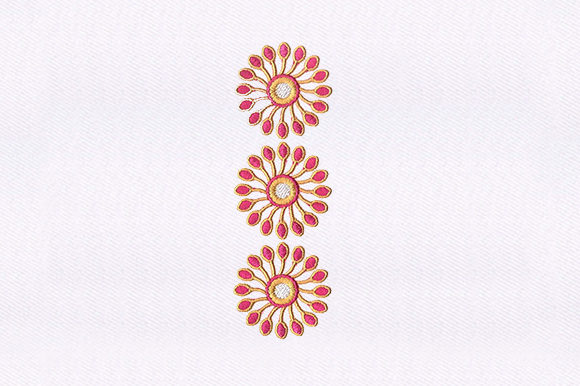
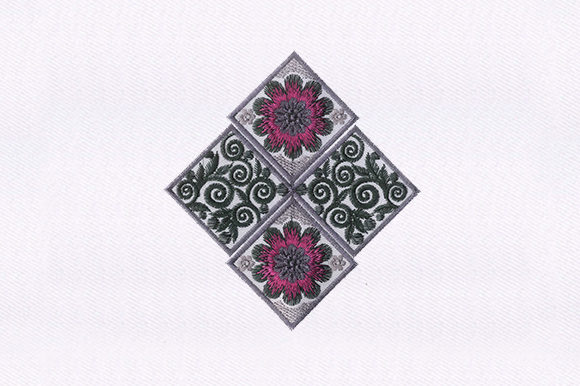
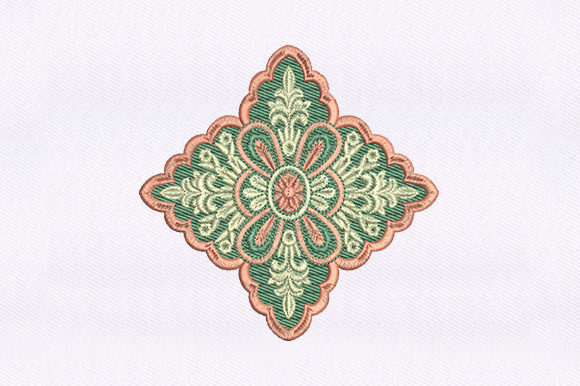
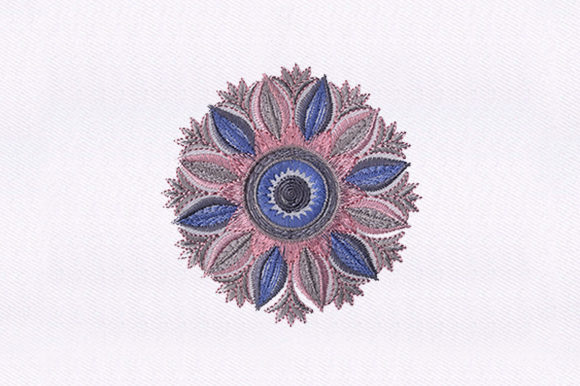
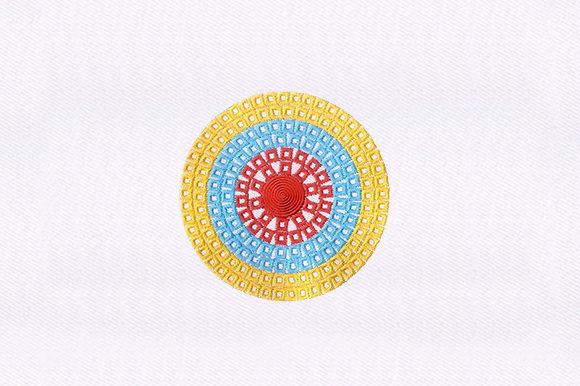
When I first opened the file details for the Circular Quilting Design, the immediate appeal was its classic yet adaptable aesthetic. The motif suggests a traditional quilting block but translates beautifully into modern embroidery. Visually, it carries a sense of calm and order, making it an excellent candidate for Bedroom decor items like throw pillows or quilted wall hangings. However, do not let the "quilting" name fool you; this design has the structural integrity to work on much more than just cotton batting.
The line work appears clean, suggesting a balanced mix of running stitch outlines and potential fill stitch areas, depending on how the specific file version is programmed. For a designer, this balance is crucial. It means the design won't become a dense puckered mess on lighter fabrics, nor will it look too sparse on heavy canvas. The decorative appeal lies in its symmetry, which offers a satisfying focal point for handmade product lines where consistency is key.
Real-World Application Scenarios
To truly evaluate this digital embroidery file, I imagined deploying it across several common projects I handle for clients. Here is how the Circular Quilting Design fits into various real-case scenarios:
- Tote Bags and Canvas Goods: This is perhaps the strongest use case. The geometric nature of the circle complements the structured feel of canvas tote bags. Using a heavier weight thread, this design could serve as a subtle brand logo or a decorative element for a market day collection.
- Sweatshirt Embroidery: Placing this on the chest or sleeve of a crewneck sweatshirt adds a touch of heritage style. Because circular designs often lack sharp corners that can snag, they wear well on apparel that sees frequent movement.
- Kitchen Towels and Aprons: For home goods, this design shines. It mimics the look of hand-quilting, adding perceived value to simple linen or cotton towels. It transforms a basic utility item into a personalized gift suitable for housewarmings.
- Nursery Decor: Given its soft geometry, it is perfect for baby blankets or crib sheets. It fits the Bedroom category naturally, offering a soothing visual rhythm for a child's room.
- Embroidered Patches: If the file allows for a merrow edge or if you add one digitally, this circular motif makes an excellent iron-on patch, expanding your product line to include accessories.
Technical Considerations for Professional Results
While the aesthetic is promising, a professional review must address the technical realities of stitching. Before committing this embroidery file to a customer order, there are several factors to test.
Fabric and Stabilizer Selection: The success of any circular design depends heavily on your stabilizer choice. On stretchy fabrics like jersey knits for t-shirts, a cut-away stabilizer is non-negotiable to prevent distortion over time. For woven fabrics like those used in aprons or pillow covers, a high-quality tear-away might suffice, but always test first. If you are attempting this on textured fabric, be aware that fine details might get lost in the weave.
Hoop Size and Placement: One of the advantages of circular motifs is their flexibility regarding hoop size. However, you must verify the specific dimensions of the file you download. If you plan to place this on a curved cap surface, ensure the design fits within a standard cap frame without requiring excessive re-digitizing. Small hoop sizes can sometimes limit your ability to center large circular patterns perfectly, so check the maximum diameter before purchasing.
Stitch Density and Thread Colors: Dense stitch areas can cause fabric pucker, especially on dark fabric where the contrast highlights every imperfection. When reviewing the Circular Quilting Design, pay attention to the stitch count relative to the size. If the density is too high, consider editing the file in your software to reduce fills or increase pull compensation. Additionally, think about thread colors; a monochromatic look offers sophistication, while high-contrast threads can make the design pop for a bolder statement on custom apparel.
Impact on Brand Value and Sales
For Etsy sellers and small business owners, the choice of design assets directly influences buyer trust. A well-executed circular design conveys precision and care. When customers see consistent, high-quality stitching on your finished product, it reinforces your brand's reputation for excellence. This particular design, with its timeless appeal, supports brand consistency because it does not trend in and out of fashion quickly.
Furthermore, this design enhances product photography. Circular elements create natural focal points in flat-lay images, drawing the viewer's eye immediately to the craftsmanship. Whether you are creating a printable mockup for your online store or photographing actual samples, the symmetry of the Circular Quilting Design adds a professional polish that can justify a higher price point. It elevates a simple item into something that feels bespoke and thoughtfully created.
Final Verdict and Best Practices
Is the Circular Quilting Design worth adding to your library? For designers looking to expand their catalog of commercial embroidery products with versatile, classic motifs, the answer is likely yes. Its adaptability across different substrates—from sturdy denim to delicate nursery linens—makes it a valuable tool.
However, proceed with the mindset of a craftsperson. Always stitch out a test on scrap fabric that matches your final project material. Check the back of your hoop to ensure the bobbin thread isn't looping, which can happen with complex circular paths. Inspect small details after stitching to ensure no gaps or overlaps compromise the look.
Finally, before selling any items made with this file, confirm the licensing terms on the Creative Fabrica product page. Ensure you understand the rules regarding commercial embroidery and finished goods. With the right preparation and attention to detail, this design can become a staple in your repertoire, helping you create beautiful, lasting items for your customers.