Christmas Bird Redwork: A Pro Review for Business Merch
As an embroidery designer who spends most of my days digitizing logos and troubleshooting stitch-outs for small businesses, I approach every new machine embroidery design with a critical eye. It is not just about whether it looks pretty on a screen; it is about how it performs on a cap, how it holds up on a washed apron, and whether it elevates a brand's identity. Today, I am reviewing Christmas Bird Redwork, a seasonal asset that holds significant potential for boutique owners, cafes, and creative studios looking to add a touch of holiday warmth to their small business merch.
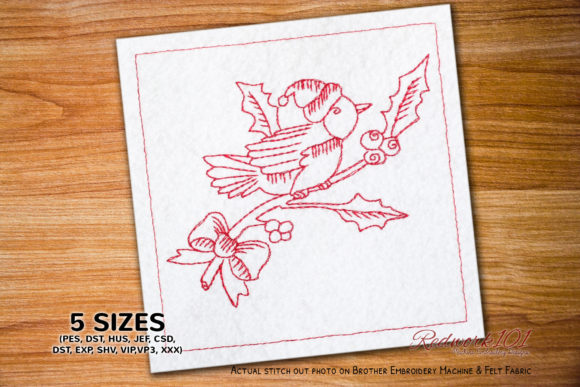
My first impression of Christmas Bird Redwork is one of rustic elegance. The term "Redwork" immediately signals a specific aesthetic: classic, handmade, and slightly nostalgic. Unlike complex, multi-color designs that can sometimes look cluttered on small items, this style relies on simplicity and strong line work. For a business owner, this translates to versatility. Whether you are running a floral shop, a local bakery, or an Etsy store selling handmade goods, this design feels friendly yet professional. It avoids the overly cartoonish vibe that some holiday graphics suffer from, opting instead for a cleaner, more sophisticated silhouette that works well as a brand identity accent.
Real-World Application for Branded Goods
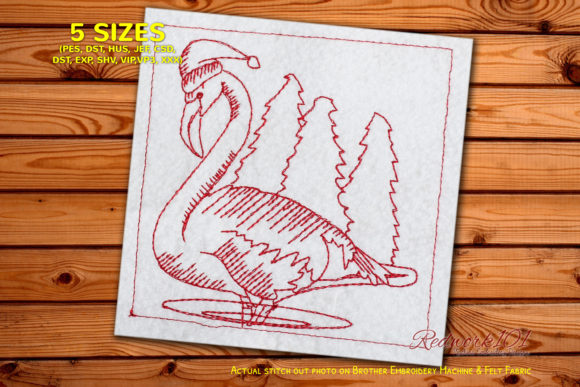
The true test of any digital embroidery file is its application in real-world scenarios. Christmas Bird Redwork shines particularly well when used as an embroidered patch. Because redwork typically utilizes a single thread color (often red, but adaptable), it reduces production costs and simplifies inventory management for shops producing batches of merchandise. Imagine a coffee shop issuing holiday aprons to their baristas; a small bird motif on the chest pocket adds a festive touch without overwhelming the uniform.
Furthermore, this design is excellent for cap embroidery. Caps have limited real estate and curved surfaces that can distort complex designs. The clean lines of a redwork bird are less likely to suffer from registration issues or puckering compared to dense, filled logos. It also serves as a fantastic sleeve detail on work shirts or a subtle mark on tote bags. For retailers creating custom apparel for the holidays, this design acts as a perfect "limited edition" marker, signaling to customers that the product is special and seasonal.
For those in the handmade sector, using Christmas Bird Redwork on product packaging accents or as a tag on a finished product can significantly increase perceived value. It transforms a standard item into a thoughtful gift. When applied to textured fabrics like canvas totes or linen aprons, the simplicity of the stitch allows the fabric texture to show through, enhancing that artisanal, high-quality feel that modern consumers crave.
Technical Considerations and Placement
While the aesthetic appeal is high, there are technical areas where caution is required. The product description notes that "The Box Stitch shown in picture is optional." This is a crucial detail for commercial use. If you are applying this to a dark uniform, you must ensure the thread color contrast is sufficient. Redwork traditionally uses red thread, which may vanish against a maroon or deep brown fabric. In such cases, you might need to adjust the thread colors in your software to ensure visibility.
Additionally, the note states, "The color of outer Box is different color in most of the designs unless it is part of the design itself, you can skip the color directly in." This implies flexibility but requires attention during the setup phase. If you intend to use this as a tiny logo on a pet bandana or a small patch, you should likely skip the outer box entirely to maintain clarity. High stitch density in small borders can cause the fabric to pucker, ruining the finished product. Always review the stitch path in your embroidery software before loading the file into the machine.
Curved surfaces, such as the front of a baseball cap or the side of a mug cozy, require careful hooping. Ensure you are using the correct hoop size and a high-quality stabilizer appropriate for the fabric weight. For stretchy knits used in t-shirts, a cut-away stabilizer is non-negotiable to prevent the bird design from distorting after multiple washes. For woven fabrics like denim jackets or canvas totes, a tear-away might suffice, but testing is always recommended.
Impact on Brand Perception and Trust
In the crowded marketplace of holiday retail, consistency is key. Using a cohesive design element like Christmas Bird Redwork across various touchpoints—from staff uniforms to customer gifts—builds recognition. It tells a story of attention to detail. A customer receiving a tote bag with a neatly embroidered bird perceives the brand as caring and established. This visual consistency fosters trust. It moves the needle from "generic holiday item" to "curated brand experience."
Moreover, the handmade presentation of redwork aligns perfectly with the values of many small businesses today. It suggests authenticity. In an era of mass production, an embroidered detail stands out as a mark of quality. This can directly influence buyer engagement, encouraging social media shares and repeat purchases. When a design looks professional, it validates the price point of the merchandise, allowing businesses to maintain healthy margins on their commercial embroidery projects.
Designer Notes for Production Success
Before committing to a large production run, I strongly advise following these practical steps to ensure the best results with Christmas Bird Redwork:
- Test in Black and White First: Convert the design to grayscale in your viewing software to check if the contrast holds up without relying on color cues.
- Check Small Patch Viability: Stitch a sample at the smallest intended size to ensure details do not merge or become indistinct.
- Review Thread Contrast: Verify that your chosen thread color pops against the specific garment color you plan to use.
- Inspect Spacing: Look closely at the density between stitches; too tight can cause breakage, too loose can look amateurish.
- Confirm Hoop Size: Ensure the design fits comfortably within your available hoop dimensions without needing excessive re-hooping.
- Test on Real Fabric: Never rely solely on digital simulations; stitch on the actual material you will be selling.
- Use Proper Stabilizer: Match the stabilizer type to the fabric stretch and weight to prevent puckering.
- Create a Printable Mockup: Generate a printable mockup for client approval or internal review before stitching begins.
- Compare Design Assets: Place this design beside your existing logo and other design assets to ensure visual harmony.
- Confirm Commercial Licensing: Since this is for business use, double-check the license terms included with the embroidery file to ensure you are cleared for resale or branded merchandise.
It is important to note that specific technical data such as exact stitch count, specific file formats (like .PES, .DST, .EXP), and precise hoop dimensions are not provided in the brief description. You must verify these details with the file provider before production to avoid machine errors or sizing mismatches.
In conclusion, Christmas Bird Redwork is a robust choice for small business owners looking to infuse their holiday collections with charm and professionalism. Its adaptability across different mediums, from apron embroidery to tote bag design, makes it a valuable addition to any designer's library. By paying attention to the technical nuances of stitching and leveraging its classic aesthetic, businesses can create memorable, high-value products that resonate with customers long after the season ends.