Chef Cooking and Cutting Vegetable Design Review
As an embroidery designer who has spent years digitizing and reviewing files for commercial use, I approach every new machine embroidery design with a critical eye toward its application in the real world. When I first examined the Chef Cooking and Cutting Vegetable file, my immediate focus was not just on its aesthetic appeal, but on its viability as a core asset for small business branding. In the competitive landscape of food service and artisanal goods, visual consistency is everything. This design, categorized under Kitchen and Embroidery themes, offers a specific narrative utility that goes beyond simple decoration.
First Impressions and Visual Personality
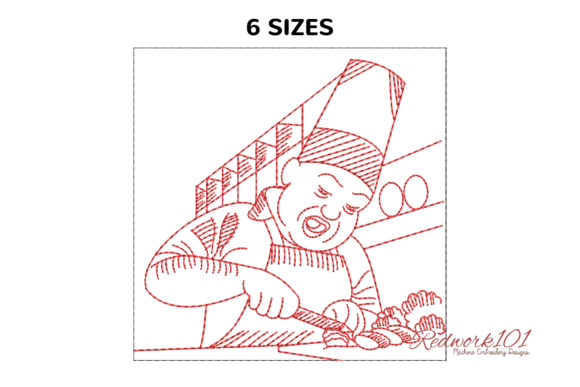
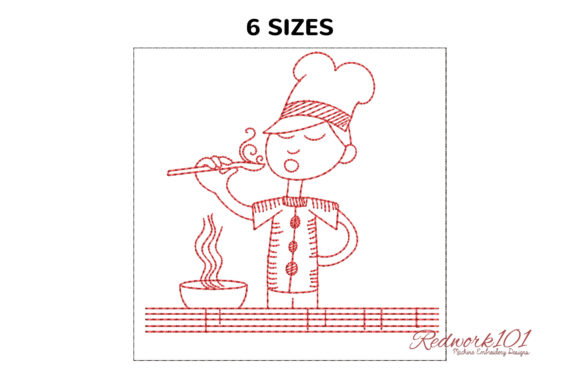
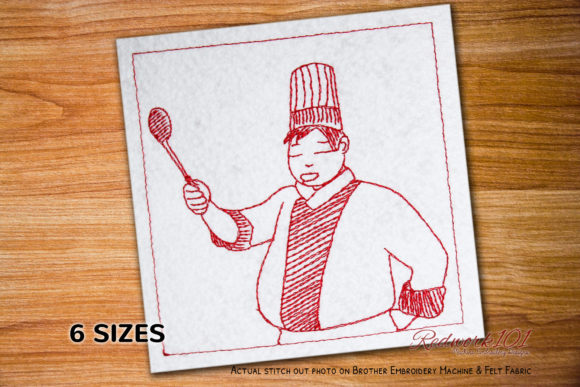
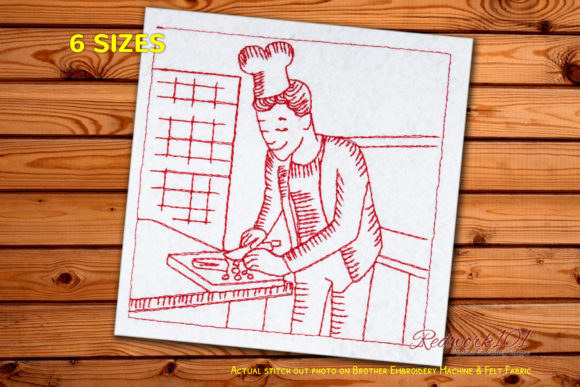
The initial impression of the Chef Cooking and Cutting Vegetable motif is one of active craftsmanship. Unlike static logos that simply display a name, this design tells a story of preparation and care. The imagery suggests a hands-on approach, which is invaluable for bakeries, boutique cafes, and handmade food brands looking to emphasize their "from-scratch" philosophy. Visually, the design leans towards a friendly yet professional tone. It avoids being overly cartoonish while maintaining enough character to feel approachable rather than corporate and cold.
One crucial detail noted in the product description is the optional nature of the Box Stitch. From a design perspective, this flexibility is a significant advantage. The ability to skip the outer box allows the motif to function as a standalone icon on curved surfaces like cap fronts or sleeve cuffs, where a rigid border might distort or look out of place. Conversely, for flat applications like tote bags or apron bibs, retaining the box can provide a structured, badge-like appearance that enhances perceived value.
Strategic Applications for Small Business Merch
For small business owners and merch creators, the versatility of a digital embroidery file determines its return on investment. The Chef Cooking and Cutting Vegetable design shines in several key areas of small business merch:
- Staff Uniforms and Aprons: This is the most logical application. Embroidering this design onto the bib of a chef's apron or the chest pocket of a work shirt instantly elevates the staff's presentation. It signals to customers that the team is actively engaged in the culinary process, reinforcing trust in the food's quality.
- Branded Patches: Creating an embroidered patch with this motif allows for removable branding. These can be sewn onto canvas tote bags, denim jackets sold as merchandise, or even attached to packaging for a premium unboxing experience.
- Cap Embroidery: When the optional box stitch is omitted, the central imagery works well on the front panel of baseball caps or visors, serving as a subtle identifier for kitchen staff or loyal customers.
- Retail Products: For Etsy sellers and crafters, this design can be applied to tea towels, oven mitts, or fabric labels, transforming standard kitchen linens into branded handmade products.
Technical Considerations for Production
While the artistic merit is clear, the technical execution requires careful planning. As a designer, I always advise testing the stitch density before running a full production batch. Designs featuring detailed elements like cutting vegetables and chef attire can sometimes suffer from thread bunching if the density is too high for the chosen fabric. It is essential to review the thread colors against your specific uniform material. High contrast is necessary for visibility, especially if the design is being placed on dark uniforms.
Fabric texture plays a massive role in the finished look of the Chef Cooking and Cutting Vegetable motif. On smooth twill or broadcloth, the details will remain crisp. However, on textured fabrics like canvas totes or heavy denim, finer details may get lost. In these cases, using a appropriate stabilizer is non-negotiable to prevent puckering and ensure the design lays flat. Furthermore, because the product description notes that the color of the outer box varies in different designs unless part of the core art, you must verify the color separation in your specific embroidery file before stitching.
Navigating Size and Surface Constraints
There are specific scenarios where this design should be used with caution. If you intend to scale the design down for a small lapel pin or a tiny tag, the intricate details of the vegetable cutting action may merge together, becoming an indistinguishable blob of thread. Always create a printable mockup at the intended size to check for legibility. Additionally, when applying this to curved surfaces like the front of a cap, the horizontal width of the cooking scene needs to be evaluated against the curve of the brim to avoid distortion.
Another consideration is washability. Items like aprons and kitchen towels undergo frequent, harsh washing cycles. Ensure that the satin stitches used for outlines are dense enough to withstand friction without fraying. If the design includes small text or very fine lines, these are the first elements to degrade over time, so their inclusion should be deliberate.
Impact on Brand Identity and Customer Trust
Incorporating the Chef Cooking and Cutting Vegetable design into your brand assets does more than just add color; it reinforces your brand identity. For a local business, consistency across all touchpoints—from the staff's chest logo to the merchandise sold at the counter—builds recognition. When a customer sees the same high-quality embroidery on an apron and a tote bag, it subconsciously signals professionalism and attention to detail.
This level of polish directly affects buyer engagement. In an era where consumers value authenticity, a well-executed embroidered mark suggests that the business cares about quality in every aspect of its operation. It transforms a generic item into a piece of custom apparel or a collectible asset. For boutique owners, offering merchandise featuring this design can create an additional revenue stream while acting as a walking advertisement for the brand.
Practical Designer Notes for Implementation
Before committing to a large run of commercial embroidery projects using this file, I recommend the following workflow to ensure the best results:
- Test in Monochrome: Stitch the design in black and white first. This reveals the true structure of the pattern without the distraction of color, helping you identify any spacing issues or density problems.
- Verify Hoop Size: Confirm that the design fits within your available hoop size constraints, especially if you are working with smaller hoops for cap machines or sleeve attachments.
- Check Licensing: Always confirm the commercial licensing terms associated with the digital embroidery file. Ensure you have the rights to use it for resale items or mass-produced uniforms.
- Compare Assets: Place the stitched sample beside your existing logo and other design assets. Ensure the style, line weight, and color palette align with your overall visual strategy.
- Client Approval: If producing for a client, present a physical sample on the actual garment fabric. Digital renderings often fail to capture how thread interacts with specific textile weaves.
Ultimately, the Chef Cooking and Cutting Vegetable design is a robust tool for storytellers in the food and craft industries. By paying attention to the technical nuances of stitch density, fabric choice, and placement, small business owners can leverage this motif to create a cohesive, professional, and engaging brand presence that resonates with customers long after the transaction is complete.