Review: Christmas Nativity Religious Concept Design
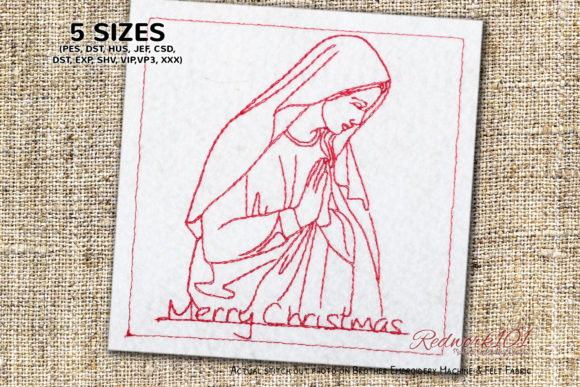
As a designer who spends more time staring at stitch maps than most people spend looking at actual art, I approach every new machine embroidery design with a mix of optimism and skepticism. When I first loaded the Christmas Nativity Religious Concept onto my screen, my immediate reaction was one of quiet appreciation. There is a specific mood this layout evokes—it feels traditional yet clean, avoiding the cluttered look that often plagues holiday motifs. For those of us running a craft business or managing an Etsy seller account, finding a design that balances reverence with modern aesthetic appeal is half the battle won.
The visual personality of this piece suggests it belongs on items meant to be kept, cherished, and displayed rather than worn into the ground. The composition likely relies on a balance of satin stitch for outlines and fill stitch for the heavier elements, creating a texture that catches the light beautifully. However, before you commit this embroidery file to a client's precious heirloom, we need to talk about how it performs in the real world.
Real-World Application: The Holiday Boutique Test
Let's set a scene. Imagine you are preparing a limited run of products for a local holiday market or updating your online shop's winter collection. You decide to use the Christmas Nativity Religious Concept on a high-quality, heavy-weight cotton tote bag. This is a classic tote bag design scenario where customers expect durability and clarity.
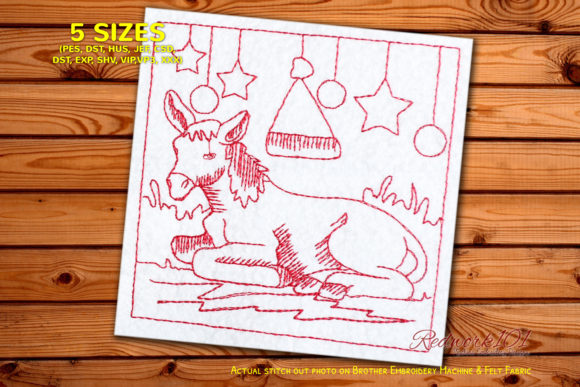
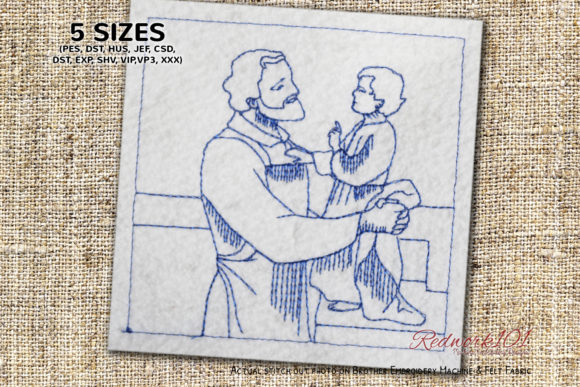
Upon stitching the test sample, the design holds its shape remarkably well. The lines are distinct, and the religious theme comes across without needing excessive detail that might get lost in the fabric weave. If you were to apply this to a sweatshirt embroidery project, perhaps on the chest of a neutral-toned fleece, the result would be professional and understated. It works exceptionally well as a personalized gift for grandparents or as a centerpiece for a baby embroidery project, like a christening blanket or nursery wall hanging.
The versatility here is key for a small shop product line. Because the concept is iconic, it resonates immediately with buyers looking for holiday embroidery that feels authentic. Whether you are creating custom apparel for a church group or designing an embroidered patch to sell as a standalone accessory, this design asset provides a strong foundation. It elevates the perceived value of the finished product, making it feel less like a generic craft item and more like a boutique creation.
Navigating Fabric and Hoop Challenges
While the design is strong, no digital embroidery file is universally perfect for every surface. Here is where your experience as a maker needs to kick in. If you are planning to stitch this on textured fabrics like waffle weave towels or thick terrycloth, you must be cautious. The finer details of the nativity scene could get swallowed by the fabric texture if the stitch density isn't high enough to punch through.
Similarly, consider the hoop size constraints. While the design fits standard hoops, placing it on curved surfaces like caps requires careful hooping and potentially a lighter weight stabilizer to prevent puckering. If the design includes tiny lettering or intricate corners, these areas are vulnerable on stretchy fabrics. I always recommend testing on scrap fabric that matches your final material exactly. Check how the thread colors contrast against dark versus light backgrounds; a design that pops on white linen might disappear on navy blue without a thoughtful underlay or color adjustment.
One specific note regarding the product description: "The Box Stitch shown in picture is optional." This is a crucial detail for your workflow. In many designs, the outer box is a separate element intended for framing or alignment. If you are stitching on a kitchen towel or a pillow cover where the edge of the garment is close to the design area, skipping this box stitch might save you from hitting the seam or hem. Conversely, if you want a framed look for a wall hanging, ensure the box color complements your thread palette, as the description notes it often differs from the main design colors.
Enhancing Brand Value and Customer Trust
For commercial embroidery professionals, consistency is everything. Using a cohesive set of design assets like the Christmas Nativity Religious Concept helps build brand recognition. When a customer sees a clean, well-executed religious motif, it signals quality. It tells them that you care about the integrity of the image and the craftsmanship of the stitch.
This attention to detail directly impacts buyer engagement. In a sea of mass-produced holiday decor, a handmade item featuring a thoughtful applique design or a complex fill pattern stands out. It justifies a higher price point because the labor and artistic judgment are visible. Whether you are selling printable mockups to other designers or physical goods to end consumers, the clarity of this design ensures that your marketing materials look sharp and professional.
Final Designer Notes and Best Practices
Before you launch this into production, keep these practical steps in mind:
- Test First: Always stitch a sample on scrap fabric to check for registration issues, especially if the design uses multiple color stops.
- Check Density: Review the stitch count visually. If areas look too dense, they may cause fabric stiffness; if too sparse, the backing might show through.
- Stabilizer Selection: Match your stabilizer to the fabric weight. Heavy cut-away for knits, tear-away for stable wovens.
- Color Contrast: Verify that your chosen thread colors provide enough contrast to define the figures within the nativity scene.
- Licensing: Confirm the license terms before selling. Some files are for personal use only, while others allow unlimited finished product sales but restrict selling the digital file itself.
- Mockup Verification: View the design in black and white to ensure the shapes are recognizable even without color cues.
In conclusion, the Christmas Nativity Religious Concept is a robust choice for the serious maker. It respects the tradition of the season while offering the technical reliability needed for commercial success. By understanding its limitations regarding fabric texture and hoop placement, you can leverage this embroidery project to create stunning, meaningful pieces that customers will treasure for years. It is not just a pattern; it is a tool for storytelling through thread.