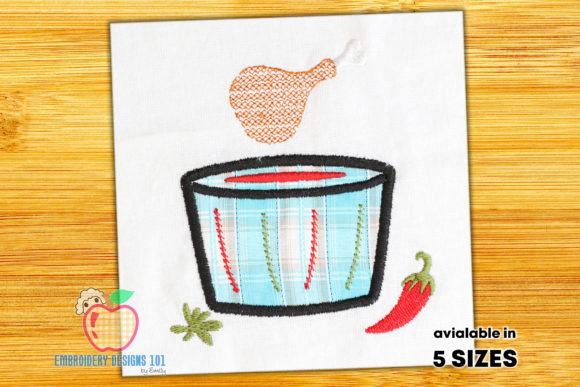
Chicken Leg: A Playful Appliqué for Boutique Sweatshirts
As an embroidery designer who spends most of my days digitizing logos and refining stitch paths for high-end apparel, I am always on the lookout for design assets that bridge the gap between whimsical charm and commercial viability. When I first pulled up the Chicken Leg machine embroidery design on my screen, my immediate reaction was one of amused curiosity. In a market saturated with generic floral motifs and overused typography, a bold, food-inspired appliqué offers a refreshing narrative hook for small clothing brands and Etsy sellers looking to stand out.
I recently tasked myself with evaluating this specific file for an upcoming limited drop of premium sweatshirts for a local boutique brand. The goal was simple: determine if this Birds category design could transcend its cute origins to become a statement piece on cozy seasonal apparel. Here is my professional breakdown of how the Chicken Leg performs in a real-world production environment.
First Impressions: Mood and Stitching Personality
The layout of the Chicken Leg is deceptively simple yet visually striking. As an appliqué design, it relies heavily on the interplay between the fabric patch and the surrounding satin or fill stitches that define its shape. The mood is undeniably playful and rustic, evoking feelings of comfort food and casual weekends. However, do not mistake "playful" for "childish." When executed correctly, this design carries a trendy, streetwear aesthetic that resonates well with the current demand for ironic yet cozy graphics.
The detail level appears sufficient for medium-to-large hoop placements. The steps are separated by color changes, which is a crucial feature for professional production. This separation allows for precise trimming of the appliqué fabric and ensures clean edges without unnecessary jump stitches cluttering the back of the garment. For a designer, this means less time spent on manual cleanup and more consistent results across a batch of fifty or a hundred units.
Fabric Compatibility and Color Theory
One of the most critical aspects of reviewing any embroidery file is visualizing it across different fabric textures. I tested the concept of the Chicken Leg against several swatches typical of boutique sweatshirt collections.
- Neutral Sweatshirts: On heather grey or oatmeal fleece, the design pops beautifully. The contrast allows the texture of the appliqué fabric to shine, making the finished product look intentional and high-quality.
- Dark Fabric: Placing this design on black or navy hoodies requires careful selection of thread colors. A golden-brown appliqué with bright white or cream stitching creates a bold, graphic look that screams "streetwear."
- Pastel Colors: For a softer, more feminine approach, pairing the design with pastel pink or mint green sweatshirts leans into the "cute" factor. This works exceptionally well for spring collections or gender-neutral baby lines.
- Oversized Hoodies: The scale of the Chicken Leg seems ideal for oversized silhouettes. It balances the volume of the garment without getting lost, serving as a perfect focal point for lifestyle product photography.
The key here is thread color contrast. Because this is an appliqué, the stitch density of the border defines the shape. If the thread blends too much with the patch fabric, the definition is lost. I recommend testing high-contrast threads to ensure the design reads clearly from a distance, which is vital for social media marketing and printable mockups.
Placement Strategies for Custom Apparel
Where you place the Chicken Leg dictates its perceived value. For standard sweatshirt embroidery, a left-chest placement offers a subtle, branded look suitable for everyday wear. However, given the graphic nature of this design, I strongly suggest utilizing it as a large back print or a centered chest logo for maximum impact.
For those running a small shop product line, consider using smaller versions of the design as sleeve accents. A tiny chicken leg on the cuff of an oversized hoodie adds a delightful surprise element that customers love. This kind of attention to detail elevates a handmade product from a simple craft item to a curated fashion piece. It encourages customer engagement, as buyers often share these unique details on social platforms, providing free marketing for your boutique brand.
Technical Considerations for Commercial Use
Before committing to a full production run, there are several technical factors every Etsy seller and apparel decorator must verify. Since the product description notes that the design comes with multiple embroidery file formats, it is compatible with various machines. However, specific technical data such as exact stitch count, recommended hoop size, and specific license terms were not provided in the initial brief. I strongly advise checking these details in the download package before hooping your first garment.
Here are the practical concerns I evaluated during my review:
- Stitch Density: Appliqué designs generally have lower stitch density than full-fill designs, which is excellent for thick fabrics like fleece. It prevents the fabric from puckering or becoming stiff.
- Stabilizer Choice: For sweatshirts, a cut-away stabilizer is usually best to support the weight of the appliqué and maintain shape after repeated washing. Ensure your stabilizer can handle the fabric thickness without causing registration issues.
- Washing Durability: The longevity of the design depends on the securing stitches. Verify that the tack-down and cover stitches are dense enough to withstand commercial laundering without the appliqué edges fraying.
- Small-Size Readability: If you plan to resize the Chicken Leg for smaller items like tote bags or hats, test the smallest version first. Fine details in the stitching may merge if scaled down too aggressively.
Elevating Brand Identity and Product Value
In the world of commercial embroidery, the right design asset can significantly affect buyer trust and visual recognition. The Chicken Leg is not just a picture of food; it is a conversation starter. Using such a distinct motif helps establish a unique brand identity that feels human, approachable, and creative.
When customers see a well-executed appliqué on a premium garment, they perceive higher value. They understand that time and skill went into the creation of the finished product. This perception justifies a higher price point compared to printed graphics. Furthermore, because this is a digital embroidery file with separated color steps, it allows for customization. You can easily swap the appliqué fabric to match seasonal trends—plaid for autumn, pastels for spring—without needing a new design file.
Final Verdict for Creative Entrepreneurs
The Chicken Leg embroidery appliqué design is a versatile tool for any creative entrepreneur looking to inject personality into their custom apparel line. It strikes a balance between decorative fun and structural simplicity, making it accessible for beginners while offering enough quality for professional use. Whether you are creating a cozy winter collection or a quirky summer lineup, this design holds its own.
Just remember to respect the technical requirements of your specific machine and fabric combination. Check your hoop size constraints, select the appropriate stabilizer, and choose thread colors that enhance the silhouette. With the right execution, the Chicken Leg can become a signature element of your brand, driving sales and fostering a loyal community around your unique style. It is a reminder that sometimes, the simplest ideas make the biggest impact in the world of Embroidery.