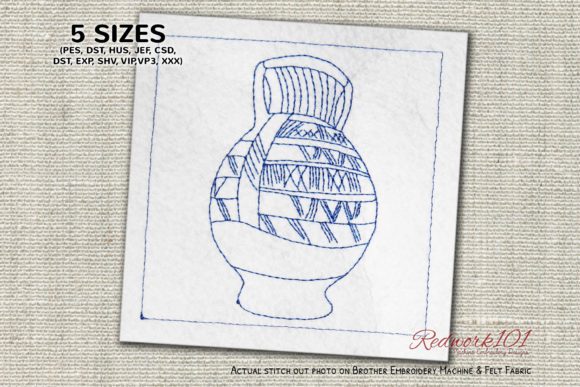
African Pottery Lineart for Boutique Apparel
As an embroidery designer constantly scouting for unique assets to elevate my boutique collections, I recently took a close look at the African Pottery Lineart collection available on Creative Fabrica. When you are building a brand around custom apparel, specifically sweatshirts and hoodies, the difference between a generic design and a statement piece often lies in the line work and cultural resonance of the artwork. This review breaks down how these specific designs perform in a real-world production environment, focusing on their potential for small clothing brands and Etsy sellers looking to expand their catalog with meaningful, high-quality imagery.
Visual Personality and Stitching Mood
The first impression of the African Pottery Lineart set is one of rustic elegance and timeless simplicity. Unlike some digital embroidery files that rely heavily on dense satin fills or complex shading, these designs lean into the power of the outline. The aesthetic is undeniably classic yet trendy, tapping into the growing consumer demand for culturally rich, minimalist art. The "lineart" style suggests a hand-drawn quality that translates beautifully into machine embroidery, offering a sophisticated look that feels premium rather than mass-produced.
For a boutique brand, this visual mood is incredibly versatile. It strikes a balance between being bold enough to serve as a central chest graphic and delicate enough to work as a subtle sleeve accent. The designs carry a certain weight and history, evoking the craftsmanship of traditional Africa pottery without feeling costume-like. This makes them perfect for modern, everyday wear where the customer wants to express identity through understated but powerful visuals.
Ideal Applications for Sweatshirt and Hoodie Collections
In planning a recent drop of oversized hoodies and neutral-toned sweatshirts, I identified several key placements where African Pottery Lineart shines. For sweatshirt embroidery, the clean lines of these designs prevent the "blobbing" effect that can happen with intricate details on fleece or French terry fabric.
- Chest Placement: A medium-sized pot design centered on the left chest of a pastel hoodie creates an instant focal point without overwhelming the garment.
- Sleeve Accents: The vertical nature of many pottery shapes makes them ideal for running up the forearm of a long-sleeve tee or denim jacket.
- Back Designs: When scaled up, the linear quality allows for a large back graphic that remains breathable and flexible, crucial for comfortable oversized garments.
These designs also excel on tote bags and denim jackets, where the texture of the base material complements the organic curves of the pottery shapes. For lifestyle product photos and social media graphics, the distinct silhouette of the pottery provides excellent recognition, helping your handmade product stand out in a crowded feed.
Fabric Considerations and Technical Execution
While the artistic value is high, practical execution requires attention to detail. Because these are line-based designs, the interaction between the thread and the fabric texture is paramount. When working with stretchy fabrics like ribbed cuffs or heavy fleece, one must be cautious. Line art can sometimes exaggerate fabric movement if the stitch density is too low or if the stabilizer choice is incorrect.
For dark garments, the contrast becomes your best friend. Using a metallic gold or bright cream thread against a charcoal or navy sweatshirt can make the African Pottery Lineart pop with a luxury feel. However, on light-colored apparel, you may need to adjust the thread weight to ensure the lines don't get lost. It is essential to test on scrap fabric that matches your final garment weight. If you are using a thick fleece, a cut-away stabilizer is usually non-negotiable to prevent puckering, whereas a tear-away might suffice for lighter cotton t-shirts.
Designers should also note the product description regarding the optional box stitch. The documentation mentions that "The Box Stitch shown in picture is optional" and that the outer box color varies. In a professional setting, skipping unnecessary color stops can save significant production time. If the box is not integral to the design's integrity, removing it streamlines the machine embroidery design process, reducing thread breaks and jump stitches. Always inspect the embroidery file in your editing software before hooping to confirm if the box element aids alignment or if it can be deleted for a cleaner finish.
Elevating Brand Identity and Buyer Trust
Incorporating culturally significant art like African Pottery Lineart into your custom apparel line does more than just decorate a shirt; it builds a narrative. Customers today are increasingly conscious of the stories behind their purchases. By utilizing designs that honor African heritage through a modern lens, you signal that your boutique brand values depth and authenticity. This fosters buyer trust and encourages customer engagement, as people love to share products that resonate with their personal identity or values.
Furthermore, the consistency of line art across different products—from hoodies to tote bags—creates a cohesive visual language for your shop. Whether a customer buys a cozy seasonal outfit or a summer tee, the recognizable style of the pottery motifs ties the collection together, enhancing professional presentation and product recognition.
Practical Notes for the Production Studio
Before launching a full run of commercial embroidery products featuring these designs, adhere to a strict quality control checklist. First, verify the hoop size requirements. While line art often fits in smaller hoops, scaling up for back designs may require a larger frame. Second, review the stitch density settings in your software. Even though the design is linear, ensuring the connections between lines are secure is vital for durability, especially on items that will be washed frequently.
It is also critical to check the licensing terms on the Creative Fabrica product page. Ensure that the license covers commercial embroidery and the sale of finished physical goods, which is standard for most users but always worth confirming. Since specific file formats and exact stitch counts were not detailed in the brief overview, downloading a sample or reviewing the full product specs is necessary to ensure compatibility with your specific embroidery machines.
Finally, consider your thread palette carefully. The beauty of pottery lineart lies in its form, so choose thread colors that mimic natural clay tones, terracotta, indigo, or stark monochrome to stay true to the inspiration. Avoid overly neon or clashing colors unless you are aiming for a specific pop-art twist.
Final Verdict for Small Shop Owners
The African Pottery Lineart collection represents a strong opportunity for Etsy sellers and creative entrepreneurs. It offers a blend of aesthetic appeal and technical manageability that is rare in digital embroidery files. By respecting the fabric choices, optimizing the stitch path, and presenting the finished product with care, these designs can become the cornerstone of a successful, culturally aware apparel line. Whether you are creating a single custom hoodie or a full season collection, this asset provides the artistic foundation needed to create something truly special.